Apply the "Broadway Model" to Your Creative Endeavor
When we're creating something, there's this production phase where all the work and effort and resources are going in, but nothing's coming out of the machine yet, and nobody's paying you… yet.
Hey there, creatives. I really love today’s concept because it's the Broadway Model. Not a model like a gorgeous woman, but a model like a business model.
If you don't already know, my creative medium is in the theatrical world. I'm a playwright, a producer, an actress, a dancer, and owner of a small immersive theater company with my husband. I think this blog is a great way to connect with creatives of other mediums because it doesn't matter what your medium is. If you're a painter, a musician, a photographer, a writer, an actress, a dancer, a jewelry maker, it doesn't matter. As creatives, we're encountering a lot of the same struggles, especially if you're a creative who's trying to monetize and make your creative effort your full-time work. This post is specifically for those who want to do your creative thing full-time and get paid. Good for you! You deserve that.
So, the Broadway model, meaning like a show on Broadway, your name in the big marquee, darling. That's what we're talking about. This is a two-part creative process that allows you to get paid while continuing to improve your skills. Now, because we're all working with different mediums, you're still going to have to use your creative mind to take this sort of template that I'm going to present to you today, and figure out exactly how it applies to your unique creative creations. I do think it's really helpful, though, to connect with creatives in other mediums and industries because we can see someone’s work and say, "Whoa, that thing they do over there in theater land, that's going to work really cool for my jewelry making business!"
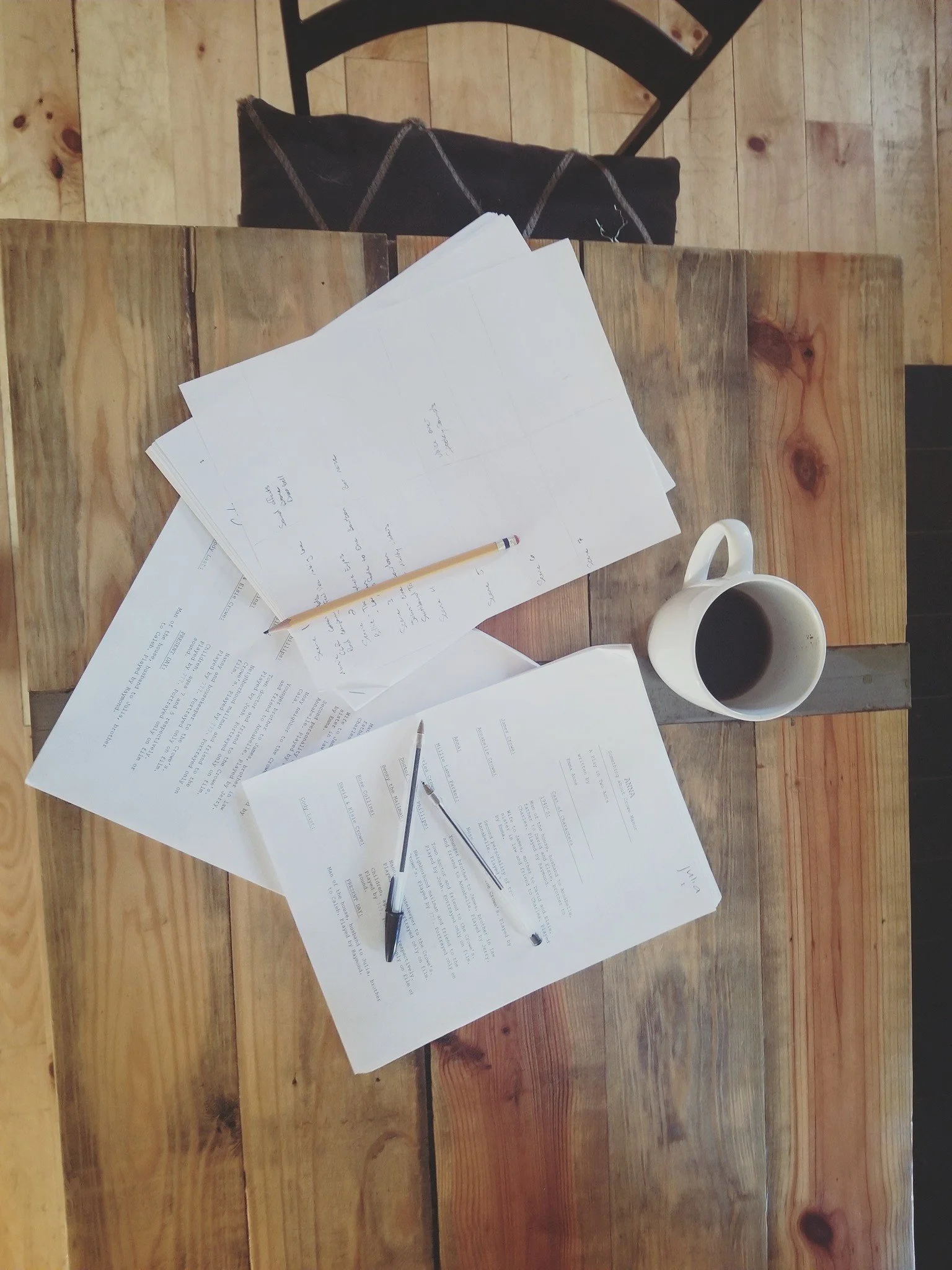
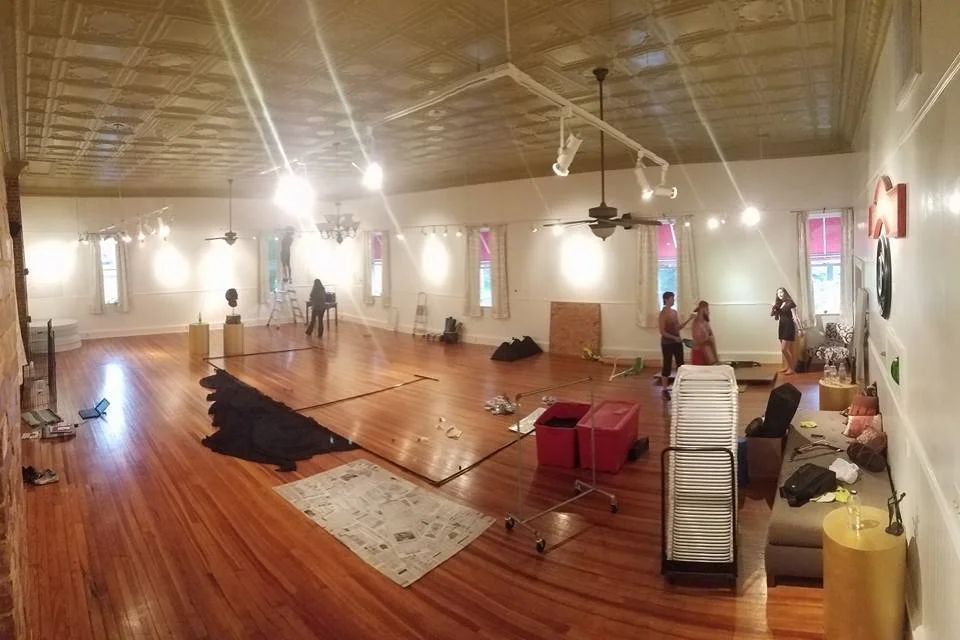
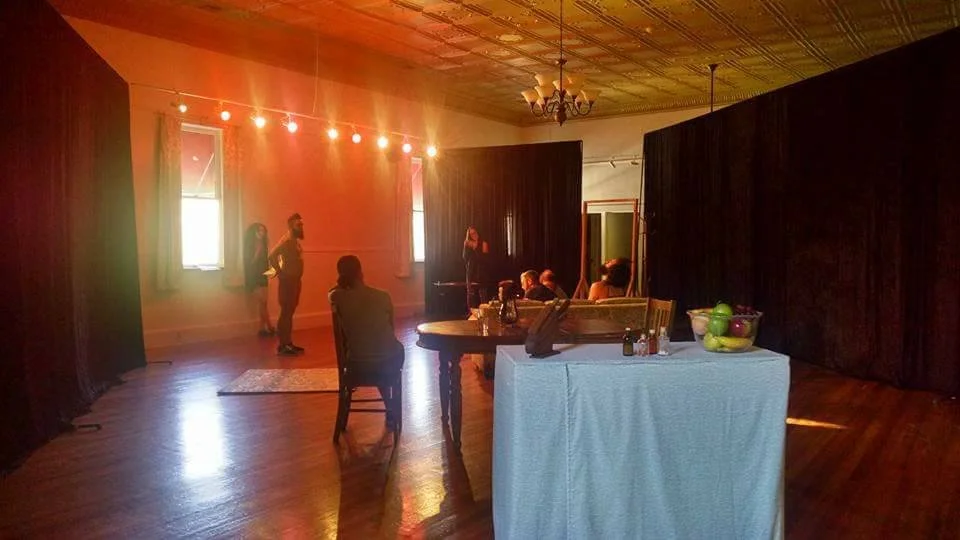
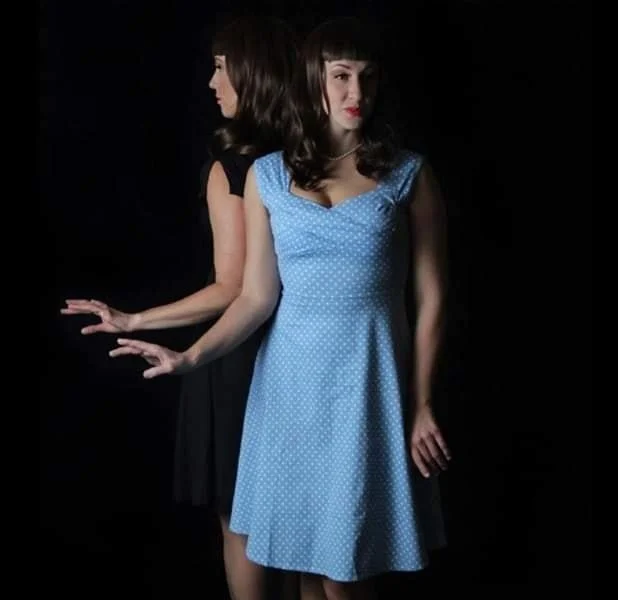
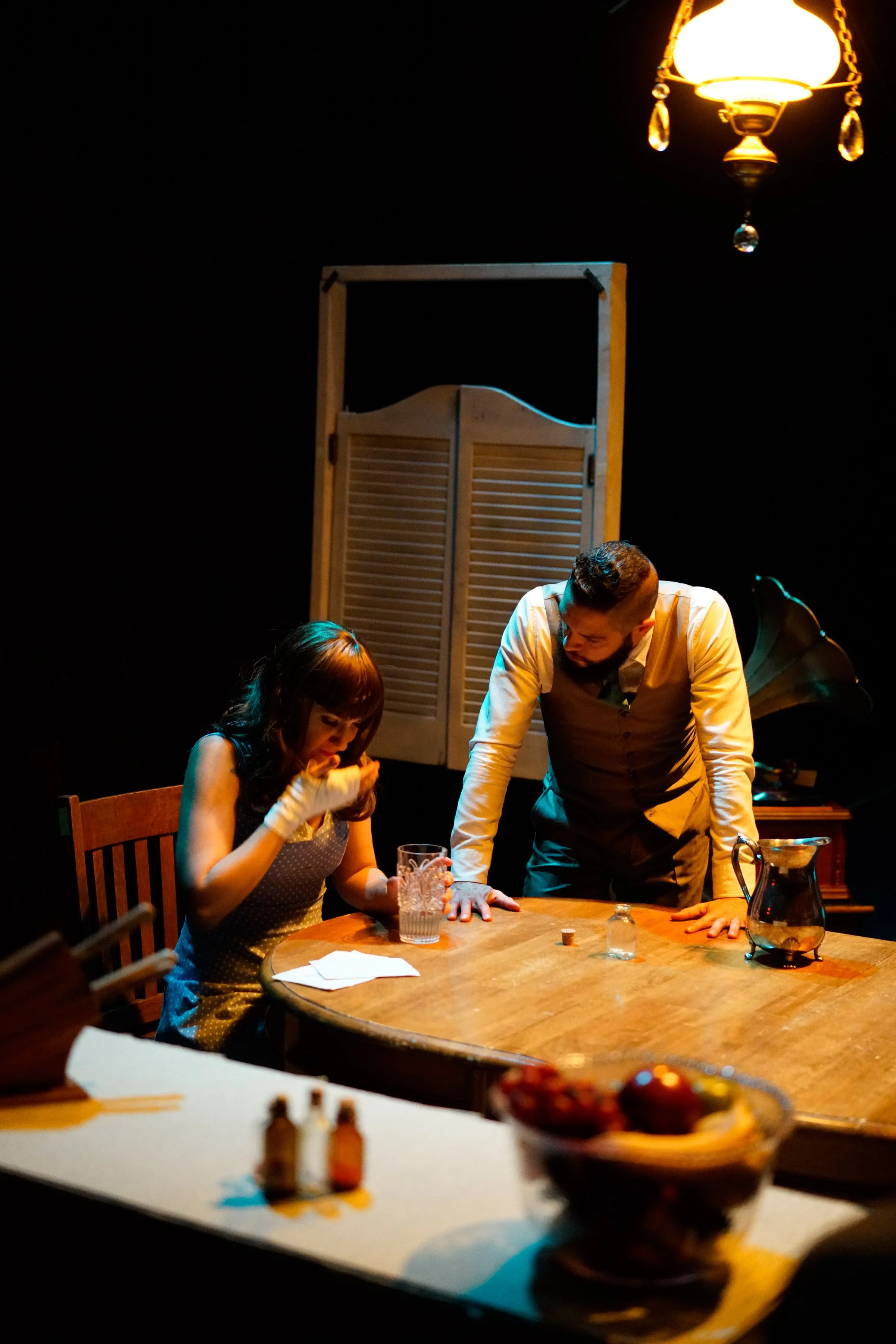
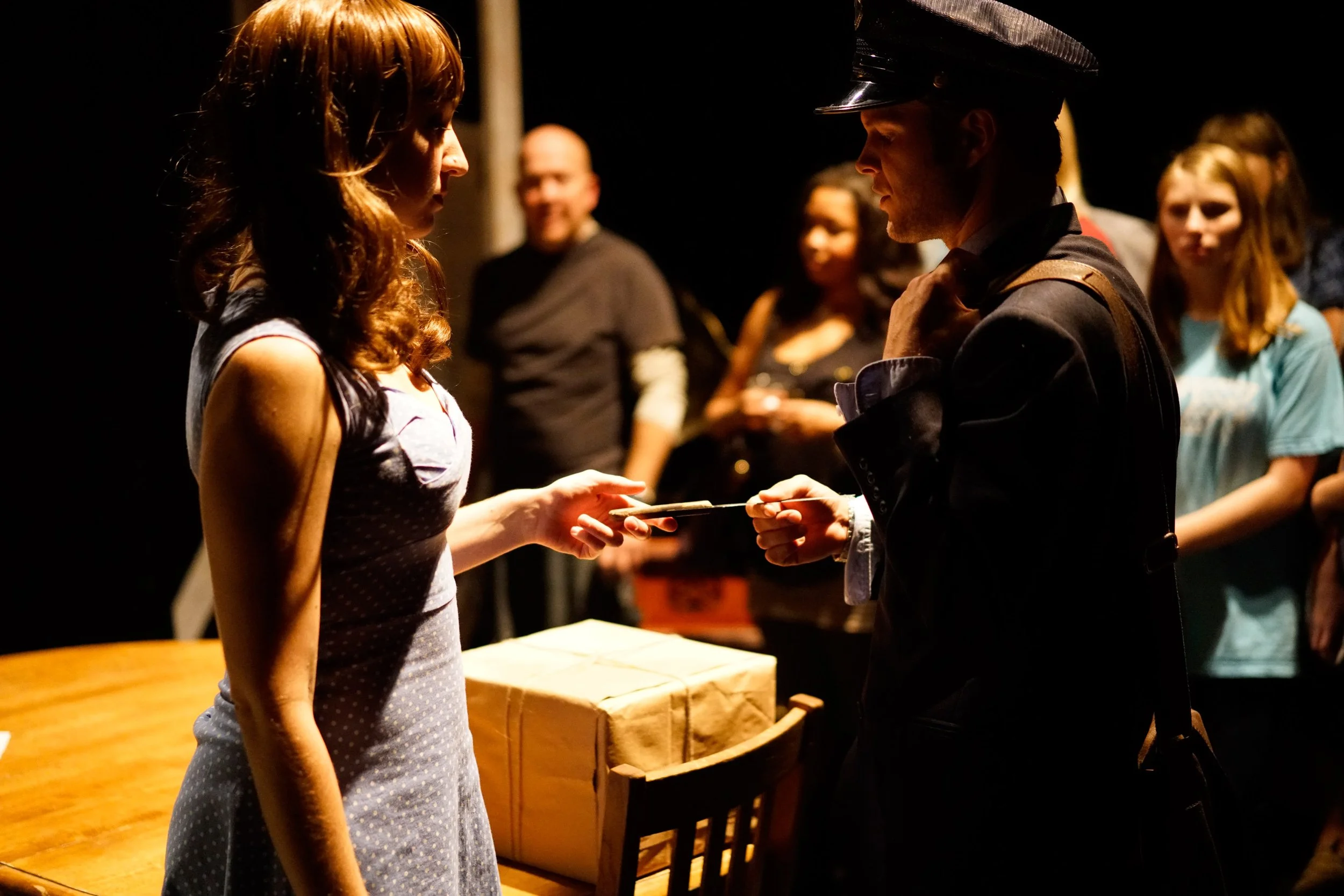
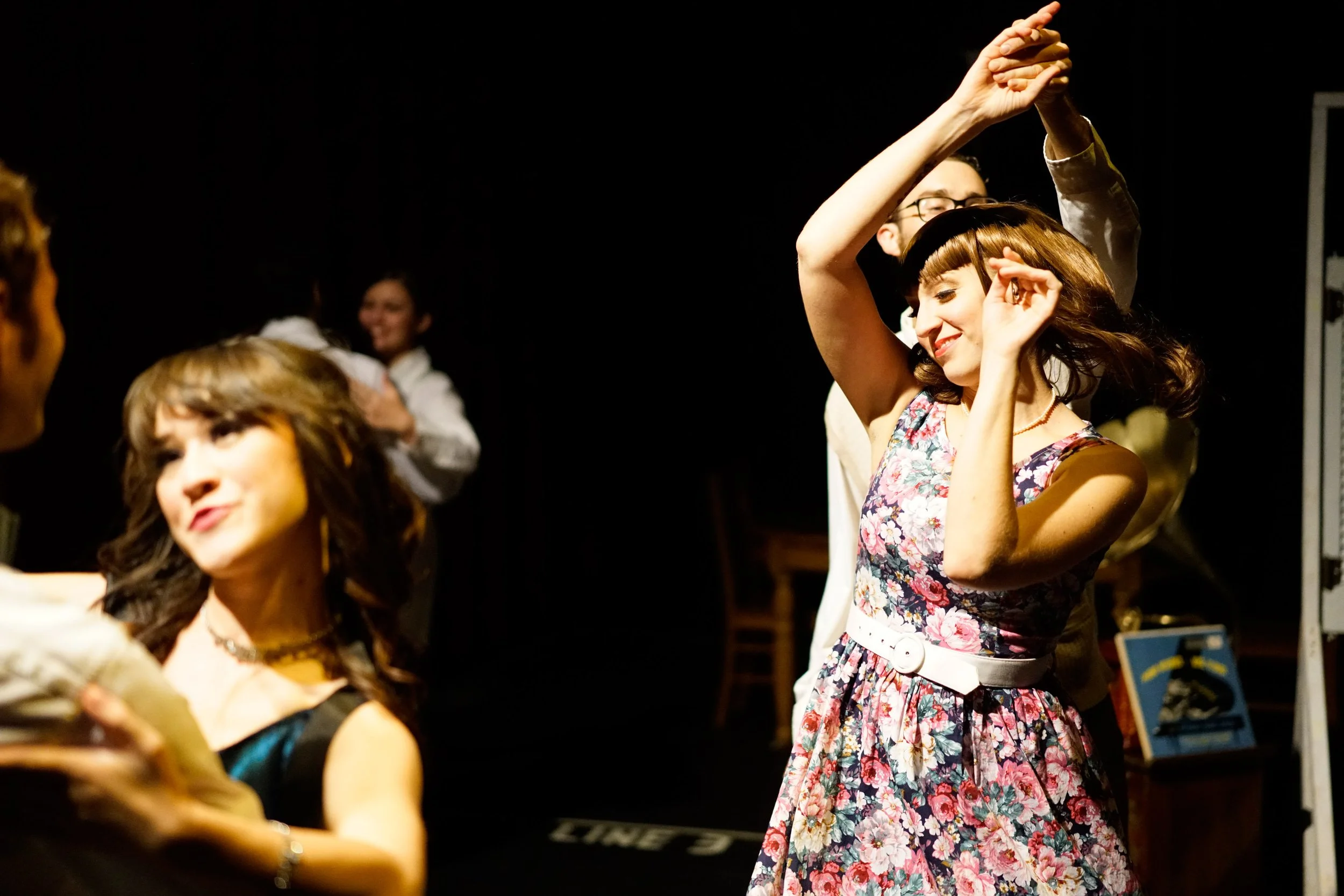
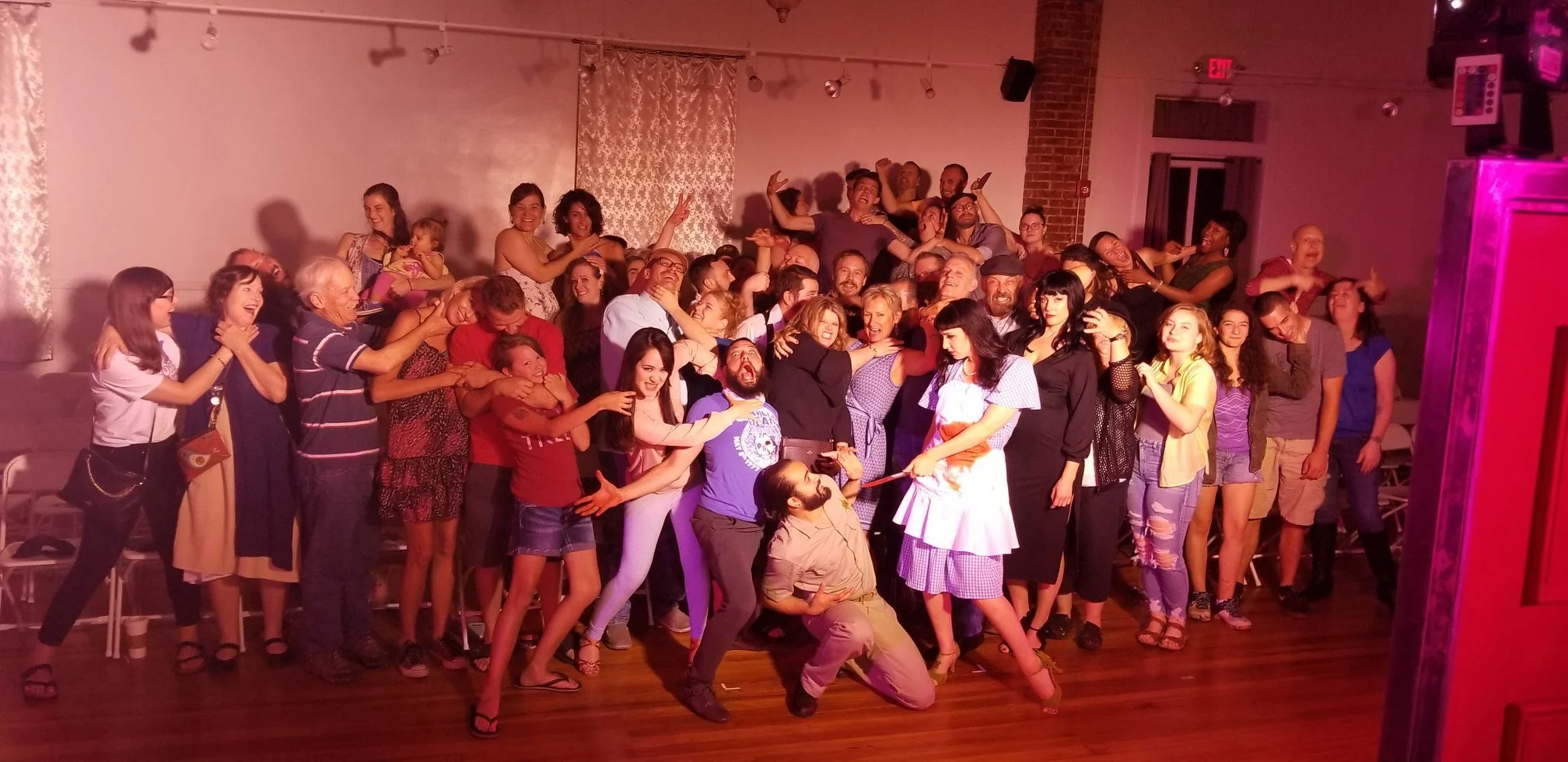
The Broadway Model is this idea that when we create something new - insert your creative medium here - there's this initial production phase where you're pouring in a lot of time, thought, energy, heart, work, and probably money to create the thing that you're creating. There's this production phase where all the work and effort and resources are going in, but nothing's coming out of the machine yet, as in nobody's paying you yet. We're going to call this Phase One, the production phase. Let’s go back to the idea of a play because it makes sense to me in my industry, even if it's not your industry. There's this time where we're writing it, we're producing it, we're doing rehearsals, we're marketing it, we're getting it ready to go. The tech workers are setting up lights, and now it's time to open the show!
People are buying tickets, and we've now entered Phase Two, which is the share-it-with-the-world phase. The work is done and it's ready to be shared. This could mean that it's also time to get paid in Phase Two. In the first phase, we found a way to source it even though no one was paying; but now we can reap the rewards of all of our labor. The idea then is we start a cycle where we began Project One in Phase One. which is production, and we moved it over to Phase Two, which is sharing... as in getting paid. Now as we're here in Phase Two with Project One, as a creative, we go back and start over with Project Two. returning to the production phase. Once we get the ball up in the air, we've always got a project in Phase One (production), and we've got a different project in Phase Two (sharing and getting paid). And we just keep going like this. The only time you're ever going to have just one project going is in the very beginning: the very first time you start Phase One, where you don't have a completed project over here in Phase Two yet.
Back to Broadway. They produce the show. It's so much time. It's so much money. It's so much effort. No Broadway producer, or any smart producer who wants to really make money for their work. is planning to produce that whole show to run it for one measly little weekend. No, no, no. Broadway, they're going to run that thing for months if not years (like Cats The Musical). Not only are they going to run that show as often as possible, they're going to take this whole finished production, and send it on the road to other big cities around the country, if not the world. Then they're going to put it on film, and they're going to sell that, and then they're going to sell the soundtrack. They're finding all of these ways to continue to make money, to share, to create a bigger audience in phase two of this thing that they once created in phase one. because we really only have to produce a thing once before we can share it a million times over.
Now, this is where you have to be creative, creatives, and figure out how exactly it applies to your creative work if you're not a Broadway or off Broadway or an off off Broadway producer like me. But we do this, right? That's why my husband and I moved, for instance, to a tourist town. It's actually a really small town, guys. I didn't go to New York because I didn't want to go to New York. We're in this small town, but it's a tourist destination. When we produce a show, we'll spend about three months bringing a show to life. I write the script, we go to rehearsal, we do all the things. We build the show and we open the show, and we're going to run that show for several years. Then we're going to reformat it and put it online and we're going to play it in that world as well. We do this three-month production period once and we throw in all the unpaid time, all the money that I’ve been pulling out of my pockets - by the way, this would be a good time to do a crowdfunding/fundraising, or to channel some money from your other work to fund this thing until it starts making its own money - and now, it's running. It's automated in a sense. Now you can take the money and feedback from your expanded audience because you grew and more people know about you. You can take all of that and the new skills that you gained in building this project, take all of that wealth of knowledge and information and money and channel it back over here into Project Two, Phase One.
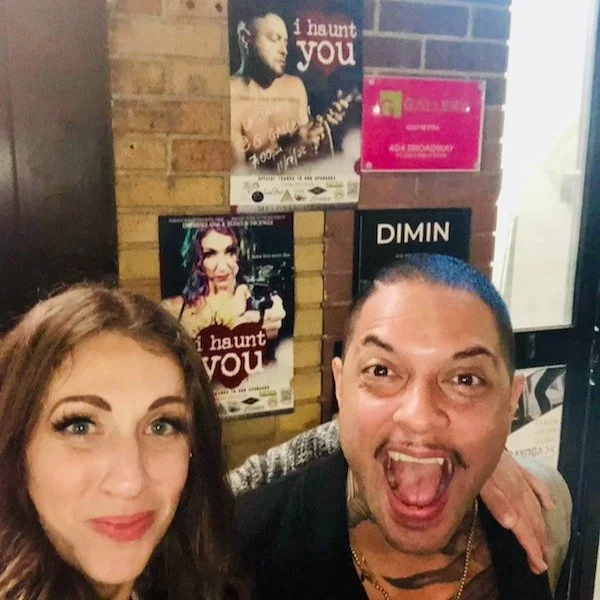
(Okay, I should say I didn’t want to live in New York. We still took our show I Haunt You on the road to the Big Apple!)
By now, you've now gotten better at your craft and have a bigger audience, which brings the money to cycle it back in. You're now going to use Phase Two earnings from Project One to feed Phase One of Project Two until it gets to the next phase. Now, maybe you have two projects in Phase Two, so you've got even more feedback and audience and money coming in to fuel Project Three in Phase One. The creative piece here for you is just to get you thinking in a little bit of a different template, like if I'm a painter (which I’m not), how could I build my portfolio to fill a gallery? That's the Phase One project. I paint my little face off and I move into Phase Two: how could I sell this on repeat so that I'm done producing it, but I continue to get feedback from my audience? Now I know that they love this painting so much more than that painting. This one's selling its pants off. Of course, I sold the original for a nice high price because there's only one original, but I'm also selling prints of it on shower curtains. phone cases, and framed prints for your wall or whatever, right? Or maybe I'm selling classes on how to paint in my style. Now I've got all of this streaming in for me so that I can start my second gallery show.
I invite you to start thinking a little differently about your creative process by embracing the Broadway Model. I know we're not all in the theater world like I am, but if this model = this simple Phase One, Phase Two, Project One, Project Two - just keeps moving like this, hopefully it helps you shake out of a perspective that makes you feel stuck. Maybe you're trying to get out of a regular nine=to-five job or some kind of work that you're doing for someone else, and get yourself all the way into a creative income. This would be a helpful way for you to start to think about how to structure your work so that it's able to monetize, and how to structure your time so that in essence, creatives, you're really only working on one creative project at a time. I know for me, I like to work on one show at a time. I like to give my whole self to this one show, but I typically have multiple shows running because this one's helping to pay for the next one.
I hope this is helpful. I hope you can take a little time to contemplate your own creative work and how could you apply this really simple two-step process into monetizing your work while growing your skills and your audience. If you want to dive deeper into the creative pool with me, then be sure to sign up for my weekly newsletter that I just love writing to you so very much.
That's a wrap, darling. Now, go do your creative work.