Does Monetization Damage Your Art?
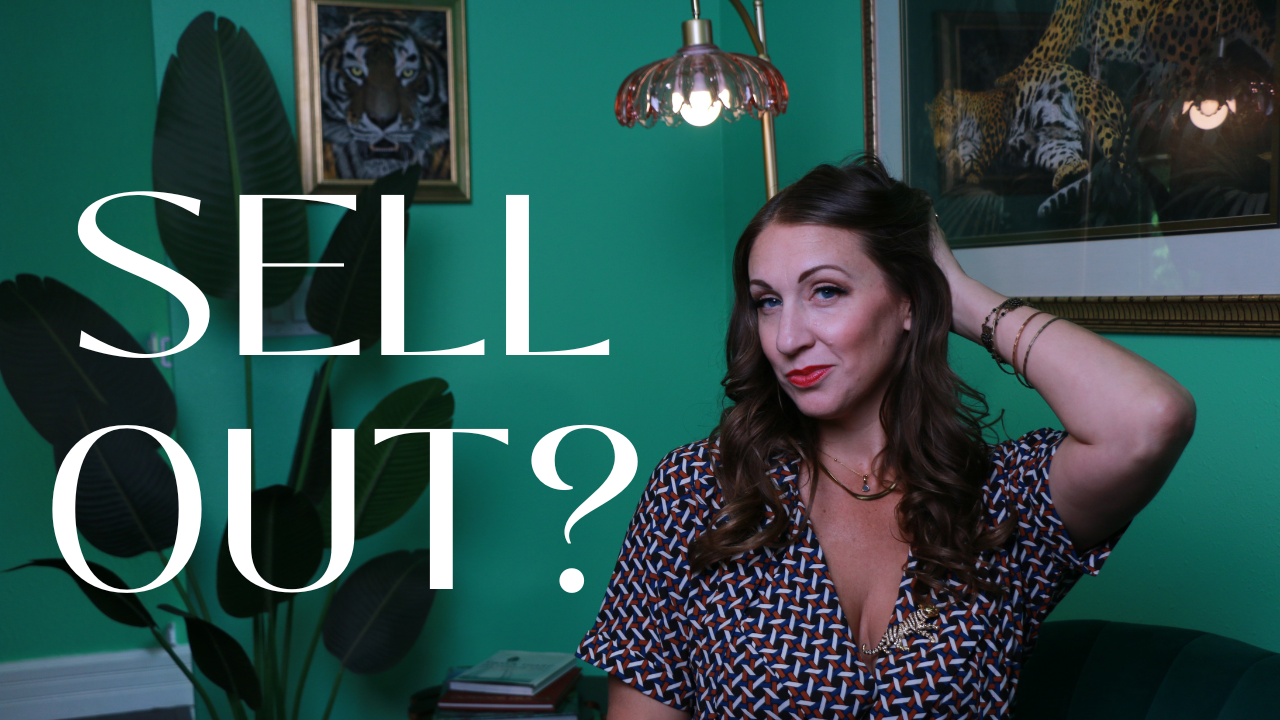
Does monetization damage your art?
Over the years that I've been in a creative industry, I've heard a lot of people talk from whatever medium of art they're into. I've heard them say things like, "I don't want to monetize my creative passion because I don't want it to turn into work."
And yes, it's work. Is that a bad thing?
There’s also, "I don't want to change what it is I'm creating to make sure people like it."
These are both valid concerns. If you're feeling them, then they're valid.
Let's talk about it… because maybe you are monetizing your work, but you have some weird feels about it. Or maybe you don't want to because of these reasons; but maybe there's a deeper part of you that thinks maybe you could.
I am biased because I have always wanted to monetize my work. I knew that I wanted to when, earlier in my career when I was primarily a dancer, I was exploring how I can get paid to dance - and then I started writing more and it switched to how can we turn our dance company into a theater company? How can I sell more tickets?
I've always wanted to monetize my work because I don't want to go do another job that I don't enjoy and then try to find time for my creative passion. I instead want my creative passion to be my work so that I'm getting paid to do it and getting paid to get better at it all the time. So I'm speaking from that perspective.
If you're someone who doesn’t want to monetize your work and keep it as a fun creative hobby, cool. If you're on the fence or feeling weird feels about it, or trying to monetize your work in a bigger way, then keep reading. There are two things I want to talk about.
One is the stigma around the word work. I'm speaking from my own culture, my American culture. Please do comment below if you're like, we don't talk about work this way where I'm from. Let us know because Lord knows we can learn from each other. Here in America, we tend to think of work as like a bad word. We don't want to work. People live for the weekend and most people hate their jobs. You're kind of a unicorn if you love your job. Even for those of us who have creative work, there are still parts of the job that we don't love as much as others; but I think that words are extremely powerful. As a human, the words we choose have a huge impact on our experience and the things that we believe and do and create. If you straight out the gate have a negative association with the word work, no wonder you don't want to turn your creative passion into work. I argue that if you change your relationship to the word work that you might want to and you might be happier. You might get to grow as a creative in a lot more ways because you'd be able to spend so much more time in your creative work to create it, sell it, get better at it, and to really enjoy it.
So I have to disagree that turning your creative passion into work doesn't mean that you'll suddenly start hating it because you hate work. I think the opposite. You can change a world where you used to hate work into, "Oh my gosh, I love my job."
That's real for me. I've had plenty of jobs that I did not enjoy. I didn't want to go to work because I didn't want to clean houses or bartend or work at the Home Depot. (That's just a few of them.) I wanted to create. I wanted to be a creative. And so I was never really concerned that I would start disliking it, but I have heard people talk about that. So I know it's a thing and I think that is such a simple fix. Shift the way you think about the word work. And I understand if you do hate your job. Maybe you work at the Home Depot. (No shade. This is the second time I've brought up the Home Depot. It's just an example.) Or we could talk about baristas, which is a job I didn't hate. I actually learned how to make a cappuccino properly, which a lot of baristas don't know. Anyway, let's let's pick on the job: say you're a barista, but you don't want to be. You hate it. You swear to God if you have to make one more cappuccino…. If that's how you feel, maybe that's true, but let's shift your perspective just a little bit. Maybe being a barista gives you just enough money that you can buy your paints so that when you get off work you can go home and paint, which you love immensely.
Even a tiny shift like not hating work will do so much for you. If you can not hate the thing you have to do 40 or so hours per week, you can start to appreciate it. You can shift the word work and your relationship to it. That will, believe it or not, help you into your way toward making your creative habit a career if that's what you want to do. If that's not what you want to do, it'll at least help you not hate work so much.
Look at the way that you experience the word work. Do you hate work? See if you can stop hating work.
The second piece I want to talk about is yeah, but if I start trying to sell it, then I have to worry about what other people like and I don't really care. I'm just doing this for me. I want to create what I want to create. I feel that way too - I just want to create what I want to create. What I have found is that while yes, we are all magical, unique, individual snowflakes, there is a snowflake out therewho looks an awful lot like you. Yes, under a microscope there are some tiny differences; but you are not so unbelievably out there that no one in the world will appreciate the work you're doing the way you're doing it.
I feel like when I launch off and write a new script to create a new show, that's not typically the moment that I'm concerned about what the audience will think. I let that come in later. One of the most recent shows we did is a noir style heist set in 1960’s Italy and I wasn't really worried if they would like it or not. I knew this is what I want to do. Somebody's going to like it, so I just went with this idea that I want to do. Later in the process, I do ask myself questions like how will this part make the audience feel? That is a question I ask often, but it's not a question that derails my whole artwork into something inauthentic and makes me feel like I have to do something just to please the masses - to say something my heart never wanted to say. I'm not having that experience. I'm actually having quite the opposite experience: I'm saying what my heart wants to say, because I'm a human with human emotions who appreciates art and comedy and suspense and romance like a lot of other people.
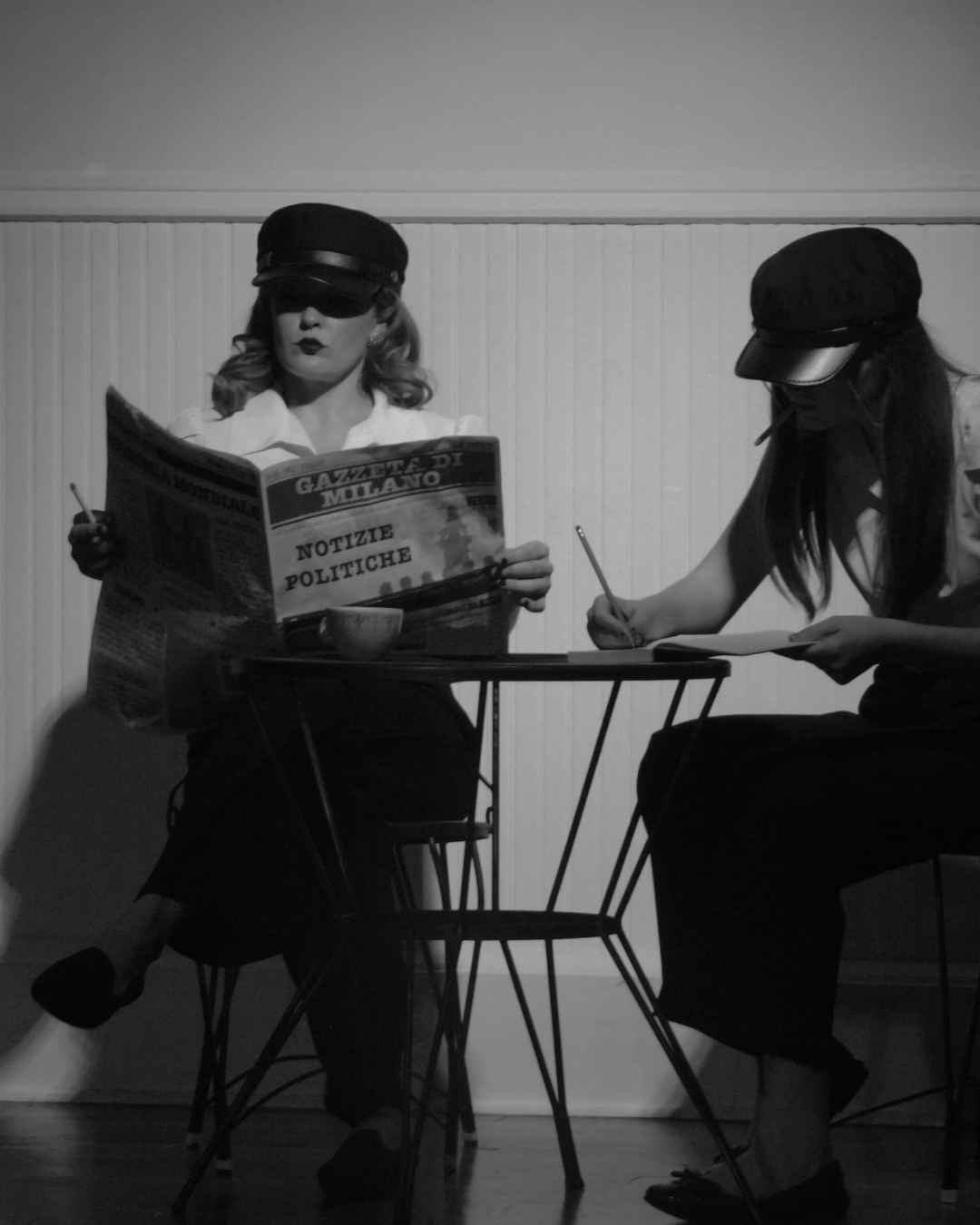
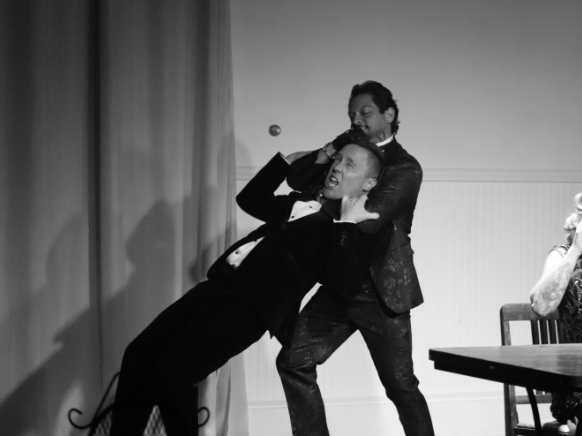
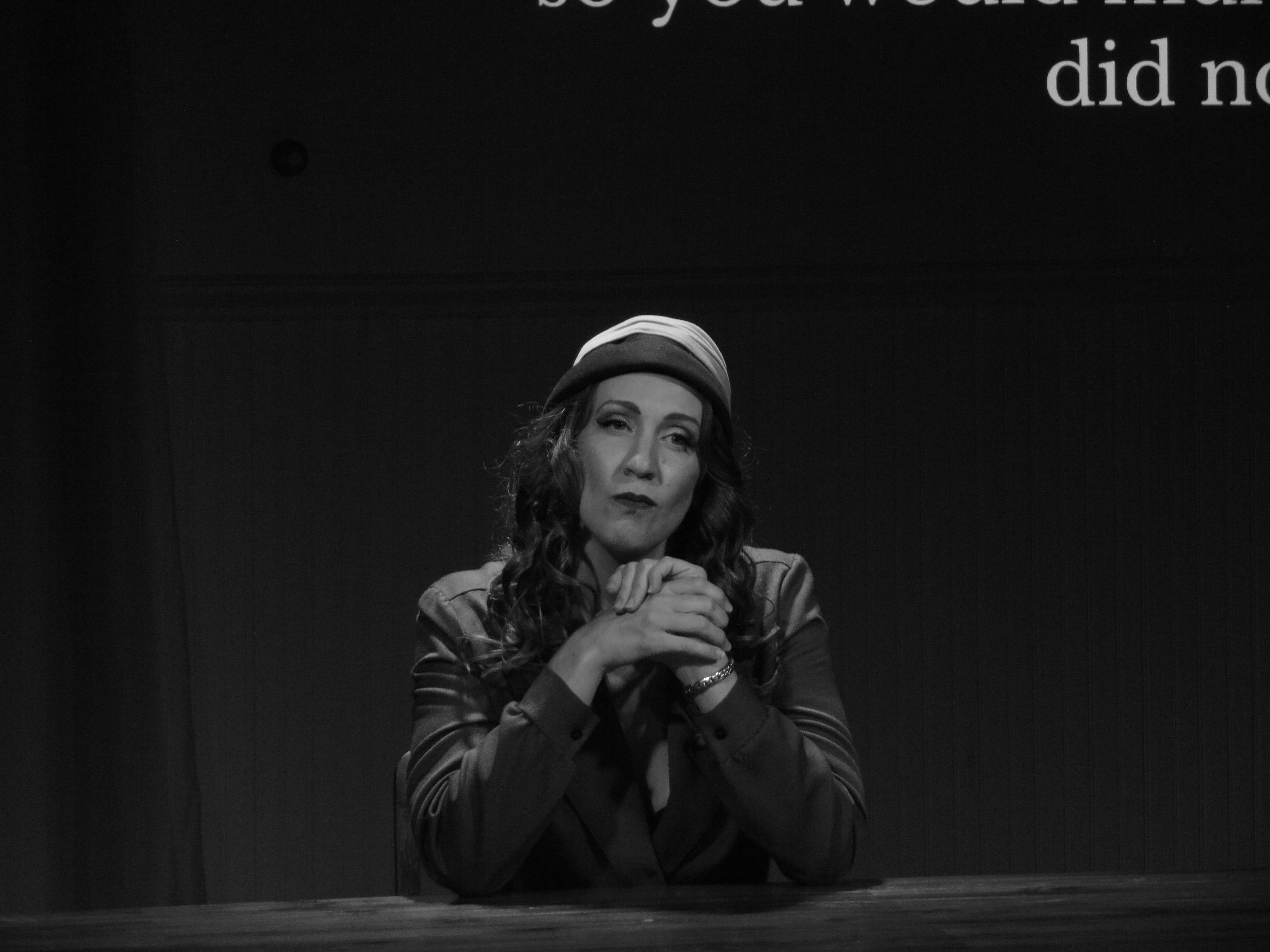
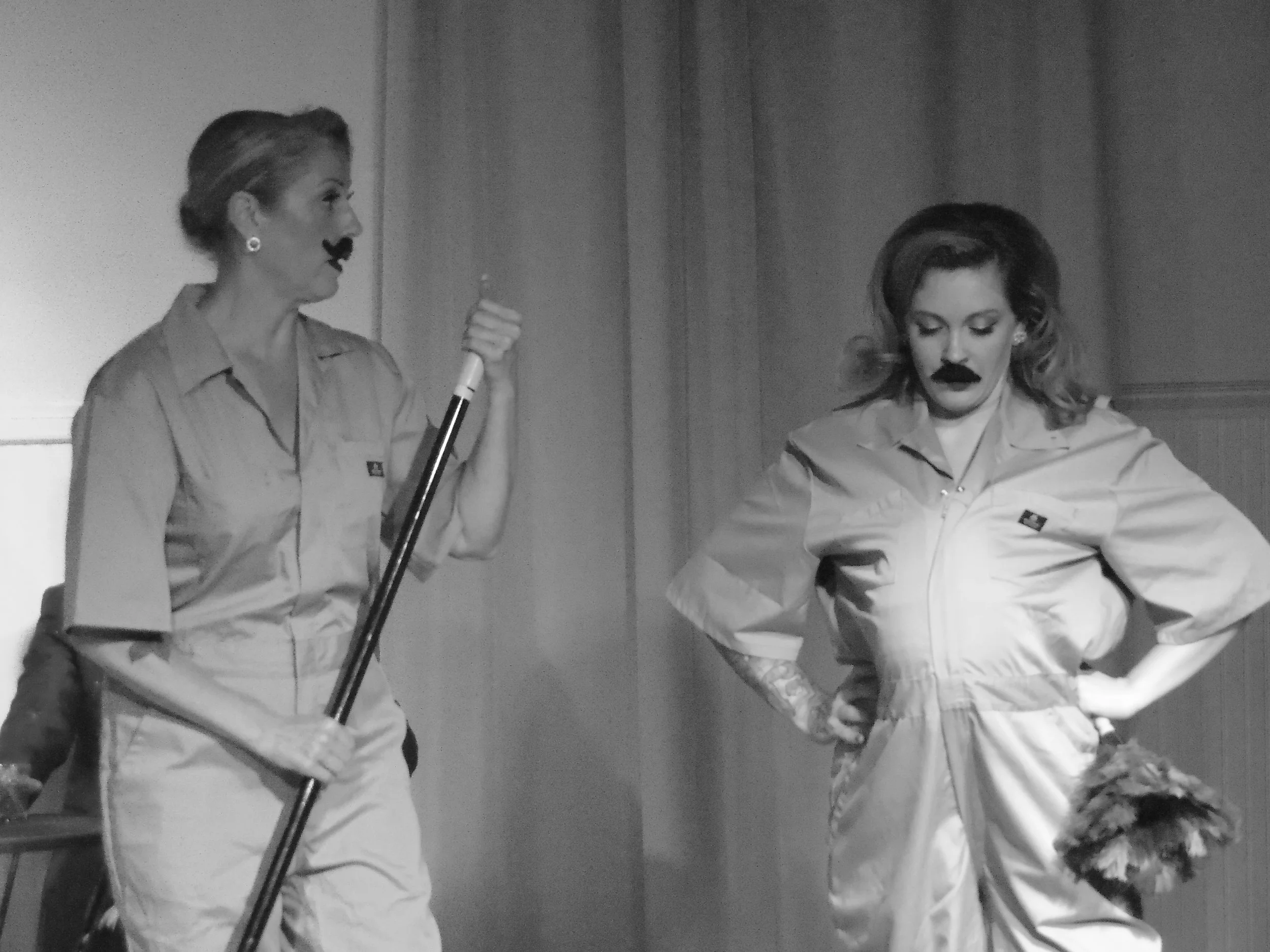
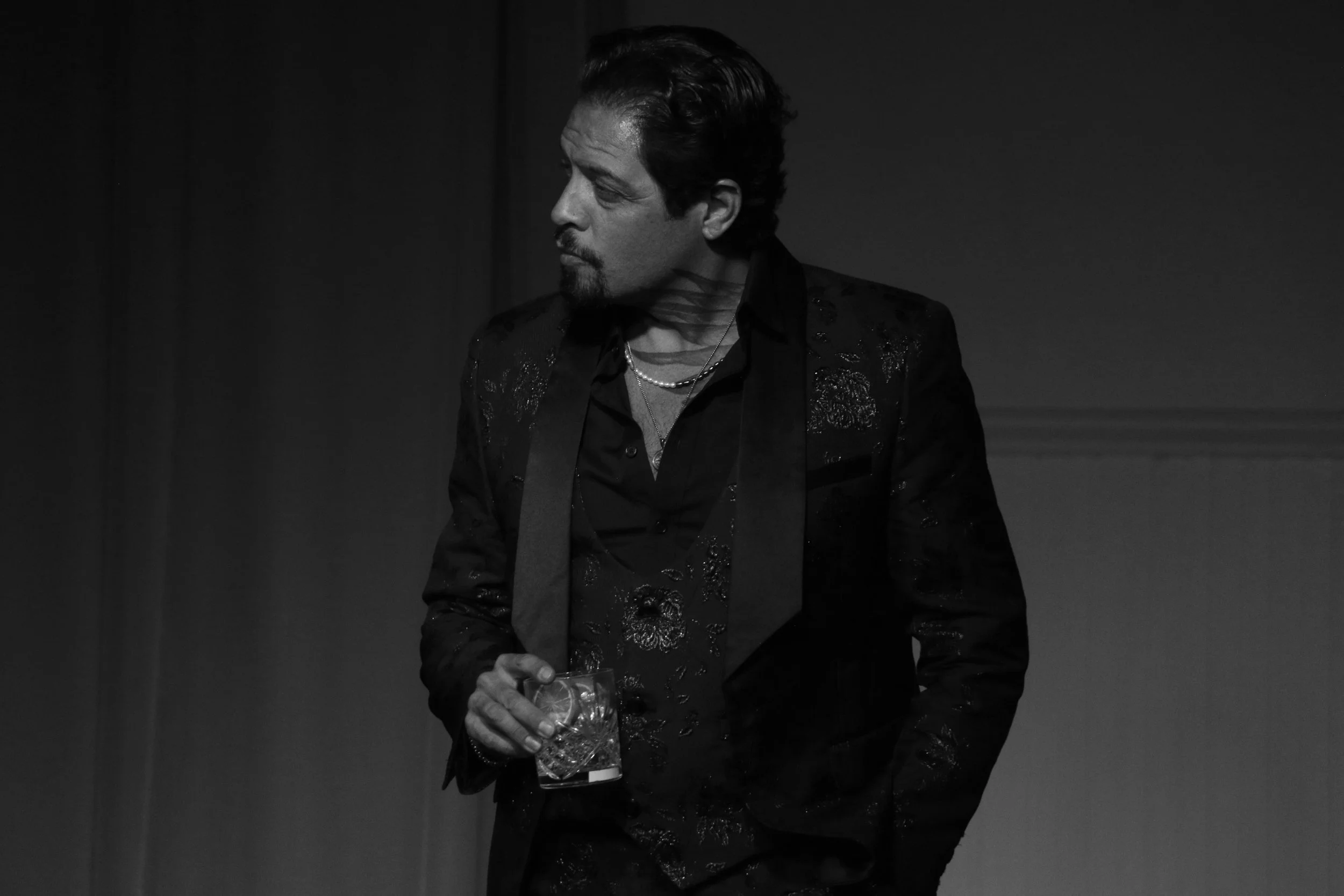
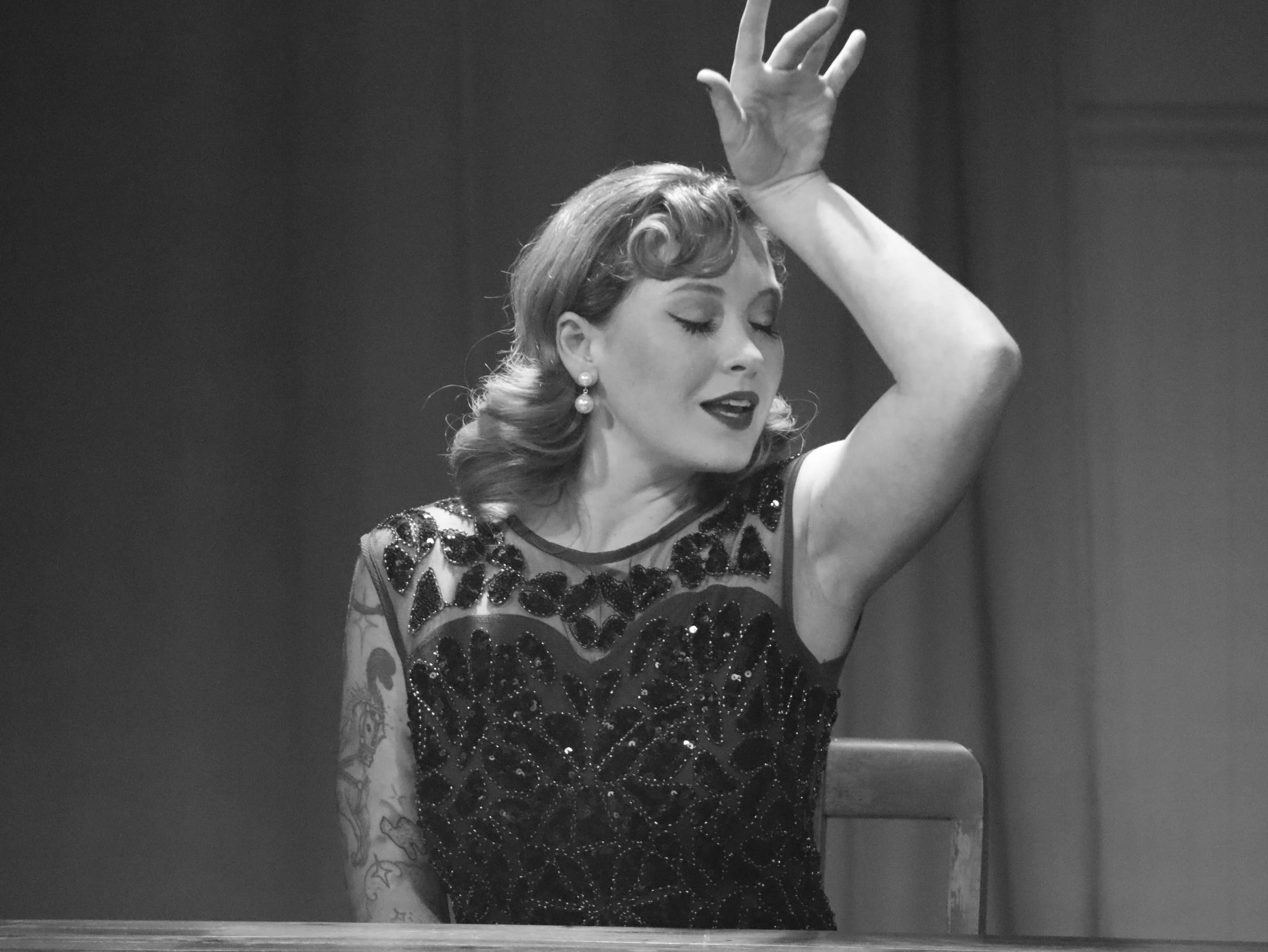

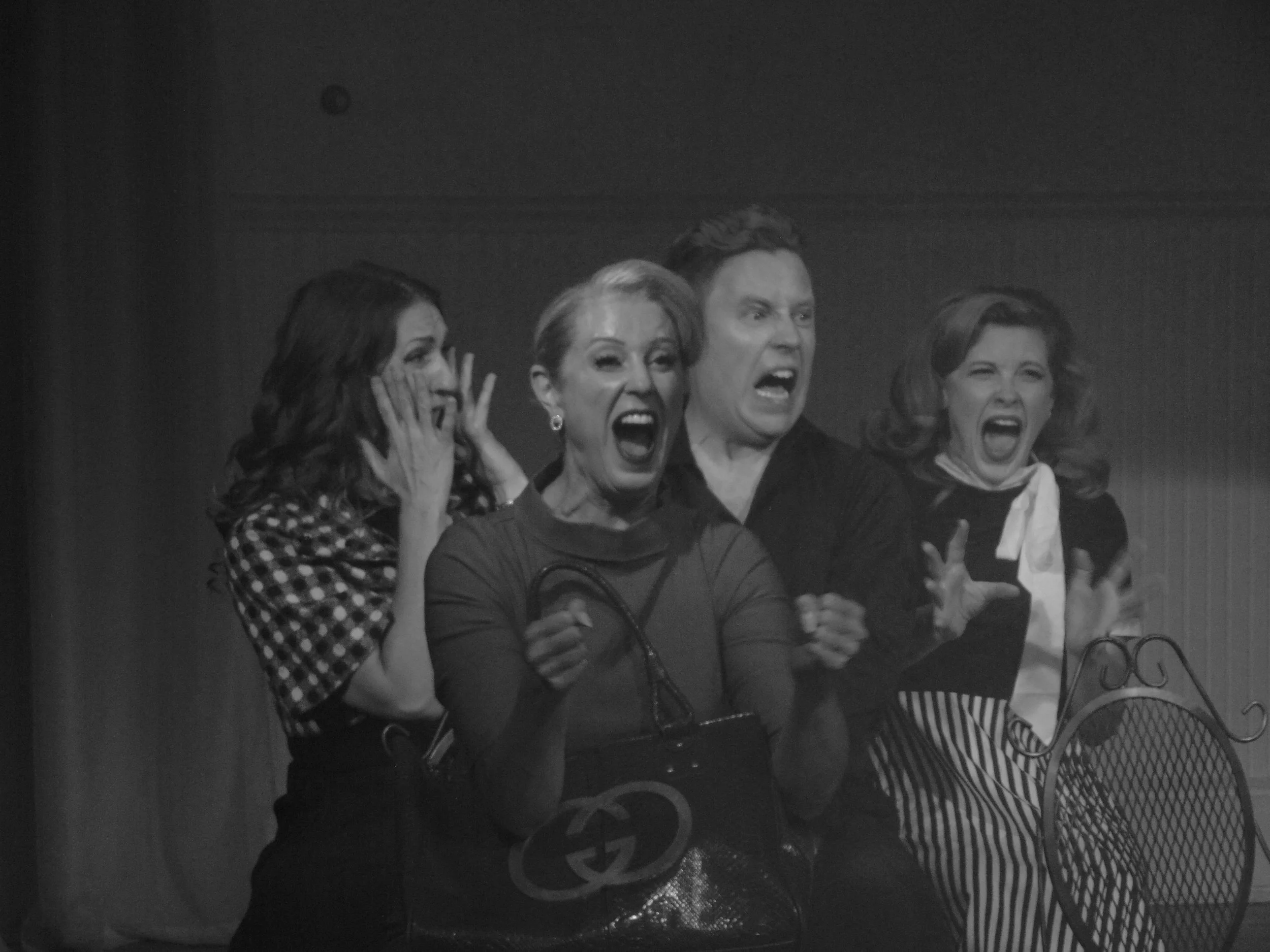
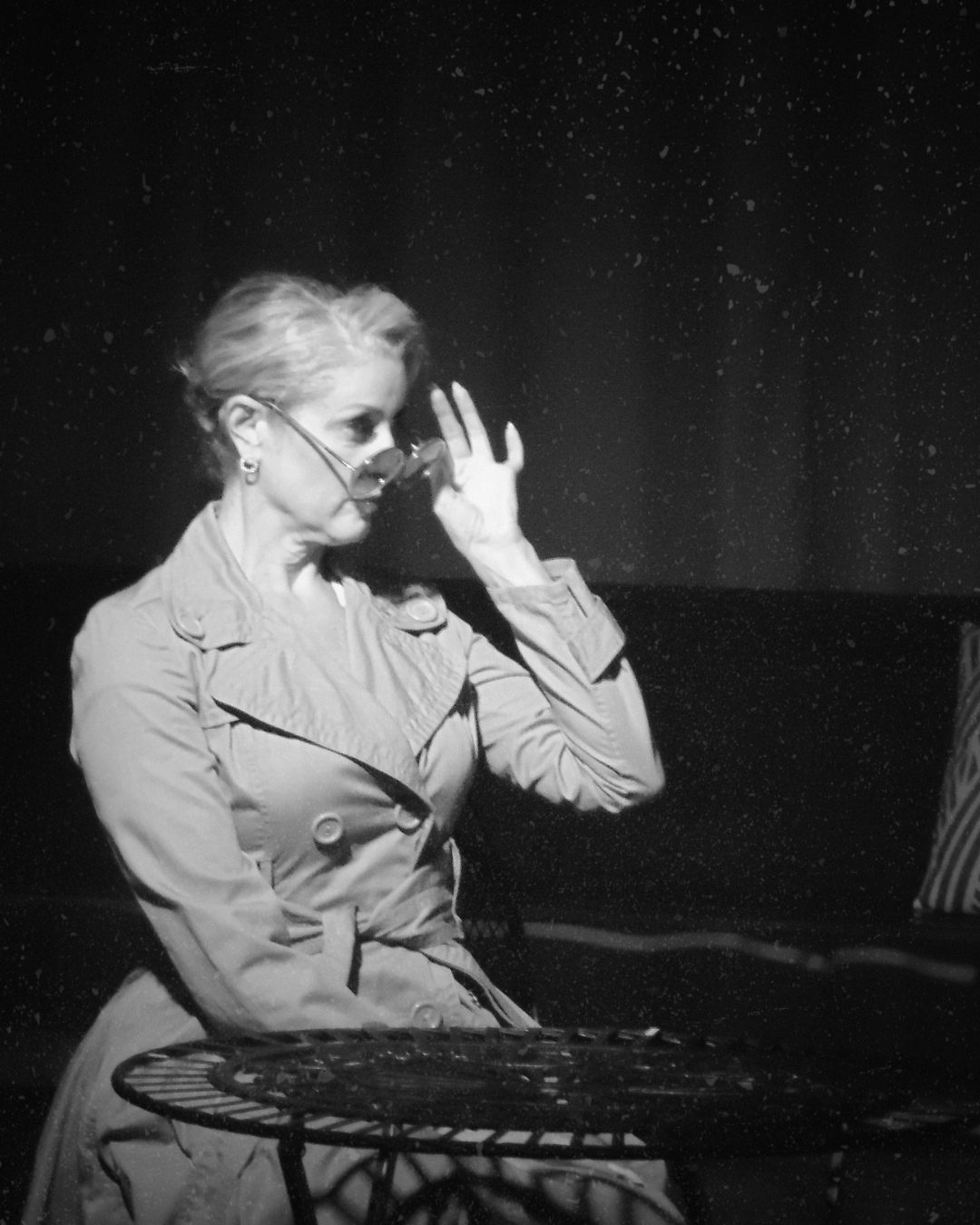
So, as creative and unique and as amazing as you are, I guarantee you someone else out there will resonate with your vision, with your style, with your message. Someone out there will like it. You don't have to change your whole dynamic to appease someone. You just have to align with the right people who like it. Now, that said, I do have a vision for a show that I would love to create, but I do know that it's a bit too dark for my audience here in Eureka Springs. I just I kind of know who tends to buy tickets to our shows, and there's a certain emotional quality to most of the work that we create. Even though sometimes it's dark and spooky, there's a level to it, like a PG-13 rating. I have a vision for a show. I've actually written about half of it. It's definitely rated R and I know for a fact that it would be offensive to some people wouldn’t be the right fit. That’s where I have to make a wise choice as an artist. I'm not going to produce that one for this town, for this moment in time. I think where that show would work better is as a video series for our YouTube channel. It's not any darker than any movie that's out there, you know?
Sometimes, yeah, you have to align your work with the right audience. Say you've done a painting series on the macabre nature of death and it's gory. Should you show that at an elementary school? No. But you wouldn't do that, because you're smart. It doesn't mean you can't do the macabre dark series on death, you just have to find the right place to show it.
If you want to monetize your work, but you're caught up in one of these two ideas that it'll make you not like it anymore because work sucks, or you'll have to become inauthentic with your artistic vision because people won't like it. I say you that you can correct both of those pretty easily with a little internal observation. Evaluate how you feel when I say the word work: did you get excited or did you get sad because you would rather do something else? Evaluate how you feel about that word and see what you can do to shift it to help find some appreciation and joy in work… and maybe you would find a lot more joy in work if it was your creative passion and you could just throw the other one out the window.
You don't have to change your whole vision. You don't have to become inauthentic. You don't have to play to the masses. You can create what you want to create and someone out there will resonate with it. How lucky are we to have this thing called the internet? You can reach everyone virtually. The right people will find you if you start putting that work out there. So there's only one correct answer to do you want to monetize your work and only you can answer that. It's not good or bad either way. It's just finding what you truly want to do. I'm just here in this blog post to help you remove some roadblocks. If you do want to monetize your work and you're feeling these blocks about it, you can remove at least those two blocks right away and get started on making your creative passion your career.
That's a wrap, darling. Now go do your creative work.